


Abstract:
As an indispensable energy channel for modern circuit systems, power cords are far from simple wires. This article will deeply analyze the five core characteristics of power cords – excellent conductivity, strong current carrying capacity, reliable insulation protection, excellent wear resistance and temperature resistance, and flexible connection methods; and elaborate on its precise application in six key fields of home, industry, communication, electronics, medical and aerospace. By combining the standards and research results of international authoritative organizations, it reveals how power cords become the “invisible guardian” to ensure stable power transmission and safe operation of equipment.
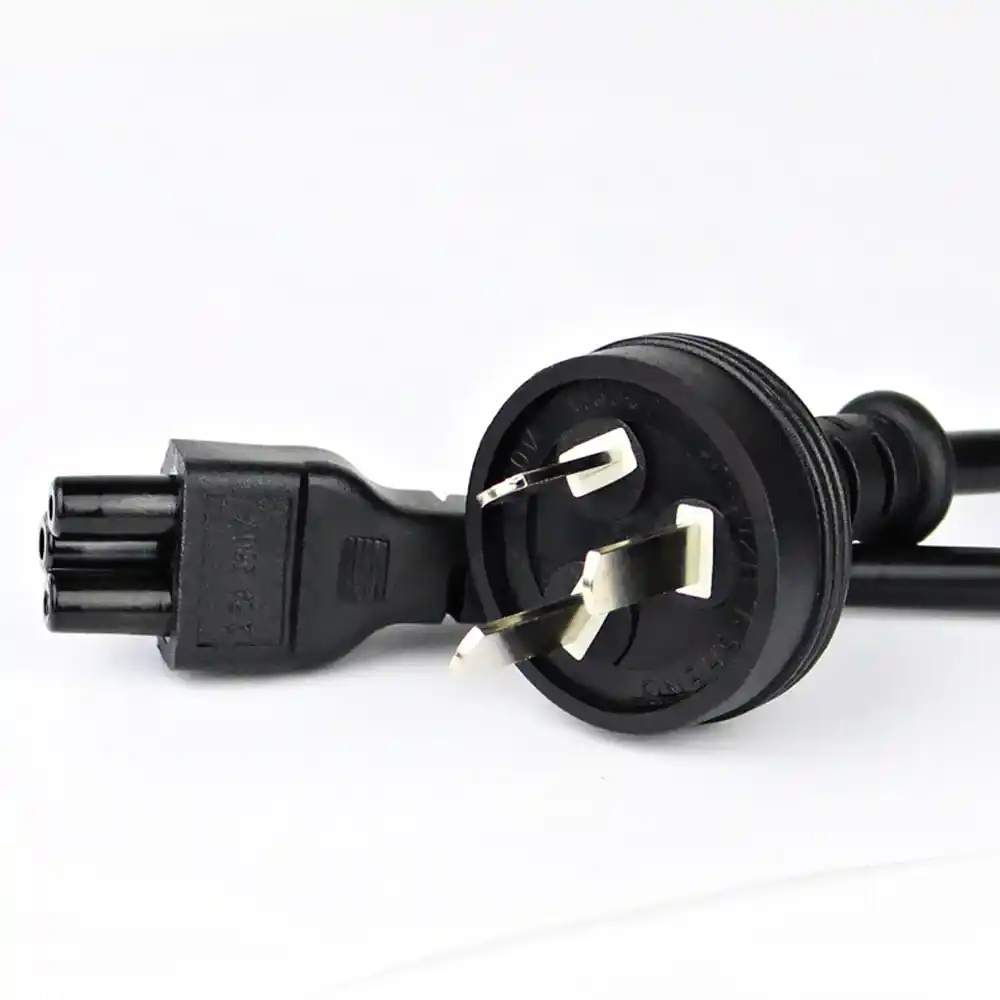
1. Conductive performance: the cornerstone of energy transmission
The power cord is like the “energy highway” of the circuit, and its conductive performance directly determines the energy transmission efficiency. High-quality power cords generally use high-purity copper (such as OFC oxygen-free copper) or specific aluminum alloys to significantly reduce resistance loss. The International Electrotechnical Commission (IEC) strictly stipulates the wire resistance limit in the standard IEC 60228 to ensure that electric energy is efficiently and stably transmitted to the load end. The low resistance characteristic greatly reduces the heat accumulation during transmission, laying the foundation for improving the overall energy efficiency of the system.
Authoritative reference: IEC 60228: Conductors of insulated cables specifies the requirements for wire resistance and conductive materials.
2.Current carrying capacity: the guardian of safe operation
The power cord needs to carry the working current without causing the risk of overheating. Its current carrying capacity (Ampacity) depends on the conductor cross-sectional area, the temperature resistance level of the insulation material and the heat dissipation environment. The National Electrical Code (NEC) of the United States lists in detail the safe current carrying capacity of different wire diameters under specific conditions in Table 310.15(B)(16). For example, a 14 AWG (about 2.08 mm²) copper wire can carry up to 15 amperes of current at room temperature, providing safety protection for household circuits. Overload may cause the insulation layer to melt or even catch fire, so it is crucial to accurately match the current demand.
Authoritative reference: NFPA 70: National Electrical Code (NEC), Table 310.15(B)(16) provides benchmark data on conductor current carrying capacity.
3.Insulation performance: a barrier to isolate risks
The insulation layer is the key line of defense for power cords against short circuits and electric shock accidents. Common materials include PVC (economical and weather-resistant), cross-linked polyethylene (XLPE, high temperature resistant), silicone rubber (extremely flexible) and Teflon (high stability). International standards such as UL 62 or IEC 60245 strictly test their withstand voltage strength (such as 300/500V), flame retardancy and anti-aging ability. Medical-grade power cords (such as those that comply with IEC 60601-1) emphasize double insulation and leakage current control to ensure an absolutely safe patient environment.
Authoritative reference: UL 62: Flexible Cords and Cables covers safety requirements for flexible cords and cables.
4.Mechanical and environmental resistance: guarantee of long-lasting durability
Power cords need to cope with the wear and tear and challenges of the real world. Jacket materials (such as oil-resistant PVC and neoprene) provide tensile, bending and chemical corrosion protection. In industrial scenarios, armored power cords (such as SWA type) are wrapped with steel belts to resist mechanical impact. Aerospace cables must meet standards such as MIL-DTL-22759, with extreme temperature (-65°C to 260°C), flame retardant and low smoke halogen-free properties. Abrasion tests (such as IEC 60245-2 roller test) ensure that they maintain structural integrity during long-term use.
Authoritative reference: MIL-DTL-22759: Wire, Electric, Fluoropolymer-Insulated Details the environmental tolerance index of aviation wires.
5.Connection method: the bridge of system integration
The connection flexibility of power cords supports a variety of device interfaces:
- Plug/socket: C13/C14 (computer), C7/C8 (small appliances) and other plugs that meet the IEC 60320 standard, achieving fast plugging and unplugging;
- Crimp terminals: Firmly connected to the terminal post through OT/UT type terminals, suitable for distribution cabinets;
- Welding: The power pins in the PCB board are welded to ensure extremely low contact resistance;
- Modular connectors: Such as aviation plugs (compliant with MIL-DTL-5015), meeting military-grade shockproof and waterproof requirements. Reliable connection greatly simplifies installation and maintenance and improves system scalability.
Authoritative reference: IEC 60320: Appliance couplers for household and similar general purposes defines the universal device connector specification.
6.Multi-field applications: the invisible veins driving modern society
- Household circuits: SJT-type power cords that meet NEMA standards connect wall sockets to home appliances, such as 16 AWG wires to ensure safe operation of microwave ovens with 1500W power.
- Industrial electrical: Heavy-duty power cords (such as SOOW) power motors and inverters, and their oil-resistant rubber sheaths adapt to the harsh factory environment.
- Communication base stations: Remote power supply uses outdoor-grade power cords (such as USE-2/RHH), and surge protectors are used to ensure that routers and switches are continuously online.
- Consumer electronics: The device’s built-in DC power cord (such as 20 AWG silicone wire) connects the motherboard and adapter interface, which is thin and flexible to fit compact spaces.
- Medical equipment: The H05VV-F type cable that complies with IEC 60601-1 is used to power the monitor, and the double insulation design eliminates the risk of micro-electric shock.
- Aerospace: Special cables (such as M22759/16) are used to connect airborne radars. Their silver-plated conductors and PTFE insulation meet the requirements of lightweight and radiation resistance.
Authoritative reference: IEC 60601-1: Medical electrical equipment safety stipulates the safety standards for power supply of medical equipment.
Summary:
The power cord builds an efficient transmission foundation with excellent conductivity, and ensures system safety with strong current carrying capacity and reliable insulation. Its wear-resistant and temperature-resistant characteristics adapt to complex environments, and its flexible connection method enables the interconnection of all things. From the electricity that lights up your home to the energy that supports rocket launches, power cords are like invisible blood vessels, silently maintaining the vitality of modern civilization in key areas such as home, industry, communications, electronics, medical care, and aerospace. Choosing high-quality power cords that meet UL, IEC and other certifications is a necessary investment in the life of your equipment and personal safety – these invisible energy paths are indeed an indispensable solid foundation in the technological era.